

Discover how a vehicle’s braking system works
In short
ABS is the part of the braking system that stops the wheels locking under hard braking, so you can keep control of the vehicle even on slippery surfaces, in cars and motorcycles alike. In this article we explain what parts it is made of, how it acts during braking and why it is worth having it checked regularly.
The braking system is one of the most important components for ensuring the safety of a vehicle, whether a car or a motorcycle. Among the various braking systems, the ABS (Antilock Braking System) plays a key role, as it prevents the wheels from locking during braking, allowing you to keep control of the vehicle even in emergencies or on slippery surfaces.
In this article, we take an in-depth look at how the ABS system works, detailing its components, the braking process and how it helps to improve driving safety.
We will also explain the importance of proper maintenance of the ABS system and when it is crucial to turn to experts for car ABS module repair such as Nito Motor.
What is the ABS system?
The ABS system is a technology designed to prevent a vehicle’s wheels from locking under hard braking, which could lead to a loss of control of the vehicle, a skid or even an accident. This system was originally introduced on aircraft and later adapted for cars and motorcycles, becoming a standard in the automotive industry thanks to its benefits for driving safety.
The basic principle of the ABS braking system is to allow the driver to keep directional control of the vehicle while slowing down efficiently, preventing the wheels from sliding or skidding.
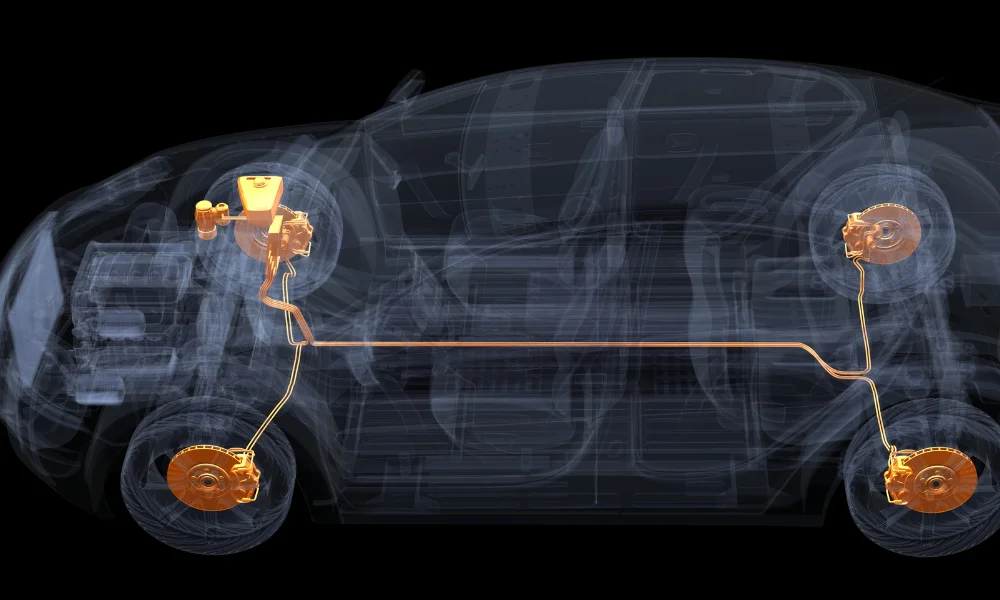
Main components of the ABS system
The ABS system is made up of several key elements that work together to ensure safe and effective braking. Below, we break down the main components of ABS:
Wheel speed sensors
The wheel speed sensors are essential to how the ABS system works. They are located on each wheel or, in some cases, in the differential, and constantly measure the rotational speed of each wheel. If one of the sensors detects a rapid drop in rotational speed (indicating a possible wheel lock), it sends a signal to the Electronic Control Unit (ECU).
Electronic control unit (ECU)
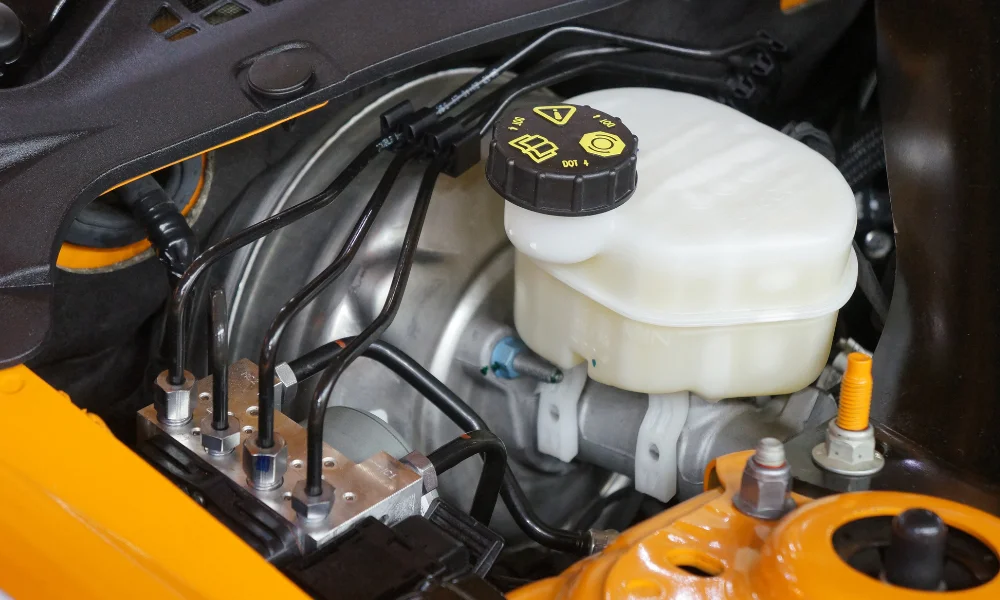
The ECU acts as the brain of the ABS system. It receives information from the speed sensors and decides when to intervene to prevent the wheels from locking. By processing this data in real time, the ECU can adjust the braking pressure by applying precise modulation through the system’s valves and pumps.
Hydraulic valves and pumps
The hydraulic valves and pumps are responsible for modulating the braking pressure at each wheel. When the system detects that a wheel is about to lock, the ECU operates the valves to reduce the pressure at that specific wheel, allowing it to keep turning. The pumps then restore the pressure once the risk of lock-up has passed.
Hydraulic pump
It is responsible for returning the brake fluid to the circuit so that the vehicle brakes normally again.
How the ABS system works
The ABS system works by detecting a possible wheel lock and rapidly modulating the braking pressure to keep control of the vehicle. This process takes place in fractions of a second, giving the driver a more controlled and safer response during emergency braking.
How the ABS system operates
The ABS system follows a continuous cycle of detecting and adjusting the braking pressure to prevent the wheels from locking. This process consists of three main phases:
- Wheel lock detection: When the brake is applied, the wheel speed sensors send constant information to the ECU. If the ECU detects a sharp drop in the speed of one or more wheels (indicating that it is about to lock), it activates the system to intervene.
- Braking pressure modulation: The ECU instructs the hydraulic valves and pumps to reduce the braking pressure at the affected wheel, allowing it to recover its normal rotation. This process is repeated rapidly to adjust the pressure according to the road conditions and wheel speed.
- Rapid activation and deactivation cycle: The ABS system works through a rapid activation and deactivation cycle of the hydraulic valves and pumps. This cycle can be repeated up to 15 times per second, which ensures that the system can react to changes in braking conditions almost instantly.
Braking process with ABS
The braking process in a vehicle equipped with ABS has several advantages compared with a conventional braking system. Below, we describe some of the most important characteristics of this system during braking:
- Reduced risk of skidding: By preventing the wheels from locking, the ABS system significantly reduces the risk of skidding, especially on wet or slippery surfaces. This is essential for keeping control of the vehicle in situations where traction is limited.
- Maintaining directional control: One of the greatest benefits of ABS is that it allows the driver to keep directional control of the vehicle while braking. In emergencies this is crucial, as it makes it easier to steer the vehicle around obstacles while slowing down.
- Efficiency in different road conditions: The ABS system is designed to work efficiently on a variety of surfaces, such as dry, wet, snowy or gravel roads. Although the braking distance may vary depending on the type of surface, ABS always improves manoeuvrability and reduces the risk of accidents.
Benefits of the ABS system
The ABS system has been widely adopted because of the many benefits it offers in terms of both safety and driving efficiency. Below are some of the key benefits:
Driving safety: The main aim of ABS is to improve safety by preventing the wheels from locking during braking. This translates into a lower likelihood of accidents caused by skidding or loss of control in emergencies.
Efficiency on different surfaces: ABS allows the braking system to work optimally on a wide range of surfaces, from paved roads to low-traction tracks. This makes ABS a highly efficient system, whatever the weather or the type of terrain.
Maintenance and diagnosis of the ABS system
Like any essential component of a vehicle, the ABS system requires regular maintenance and inspections to ensure it works properly. Proper diagnosis can also prevent bigger problems and keep the system in optimum condition at all times.
Regular system inspection: The ABS system should be checked regularly, as accumulated wear or damage to ABS components can compromise its effectiveness. It is advisable to inspect the speed sensors, the ECU and the hydraulic valves and pumps to detect possible faults.
Diagnosis and repair: When the ABS system develops faults, the ABS warning light on the vehicle’s dashboard may come on. This can be due to several factors, such as a faulty speed sensor or problems in the ECU. In these cases, it is crucial to go to a specialist for car ABS module repair or motorcycle ABS module repair, depending on the type of vehicle.
Conclusions
The ABS system is fundamental to driving safety, especially under emergency braking or on roads in poor conditions. Thanks to its ability to prevent the wheels from locking, ABS reduces the risk of skidding, allows the driver to keep control of the vehicle and improves braking efficiency on different surfaces.
It is important to remember that the ABS system requires regular maintenance to ensure it works properly. If the system shows any anomaly, going to a service specialising in motorcycle ABS module repair or car ABS module repair is essential to avoid bigger problems. An ABS system in poor condition can seriously compromise vehicle safety, so detecting and repairing any fault in time is key to maintaining optimum performance.
The ABS system, with its complex components such as the speed sensors, the ECU and the hydraulic valves and pumps, is an advanced technology that has proven effective in saving lives and preventing accidents. Its proper maintenance and the regular inspection of its components should therefore be a priority for any vehicle owner.
In short, in cars and motorcycles alike, the ABS system not only improves safety and control but is also a system whose lifespan depends on the care it receives. To make sure it is always in optimum condition, trust professionals specialising in car and motorcycle ABS module repair to keep your vehicle safe and ready for any road conditions.


