

Why do brake pads make noise when you brake?
In short
Brake pads usually make noise when something in or around them is not right; wear or dirt are among the most common reasons. Below we explain what each type of noise can mean, how to fix it and what to do so that new pads do not start making noise.
One of the most common problems drivers face is the annoying noise when braking, and in many cases this noise comes from the brake pads. This problem can be worrying, as the braking system is crucial to the vehicle’s safety.
In this article we will look at the most common causes of brake pad noise, the types of noise that can occur and how to fix them so that your car brakes quietly and effectively again.
In addition, if you suspect bigger problems in the ABS system, at Nito Motor we offer a specialist service in ABS module repair and reconditioning, ensuring your braking system works optimally.
Common causes of brake pad noise
Brake pad noise can be due to several causes. Below, we explain the most frequent reasons why your car’s brakes might be making noise:
- Brake pad wear: One of the most common reasons why brakes make noise is pad wear. Pads are designed to wear down over time, and when they approach the end of their service life, they often start making a characteristic noise, similar to a squeal. This happens because the pad’s friction material has worn thin and the wear indicator, which is made of metal, starts rubbing against the brake disc. It is important not to ignore this squealing because once the friction material is completely worn away, the metal of the pads can come into direct contact with the disc, which could cause more serious and costly damage.
- Pad contamination with dust or dirt: Another common cause of brake noise is the build-up of dust, dirt or even debris from other parts of the car, which can contaminate the brake pads. This type of contamination can produce a high-pitched sound when braking and affect the car’s braking ability. Friction between the disc and the dust particles can cause this noise and, if not dealt with, can accelerate wear on both the pads and the discs.
- Incorrect pad installation: If brake pads are not installed correctly, they are very likely to start making noise during braking. This happens because the incorrect fit causes vibrations in the braking system components, which leads to various annoying sounds. Incorrect fitting can include problems such as misaligned pads or even loose bolts, which also compromises braking effectiveness. It is essential that the pads are fitted by an experienced professional to avoid noise in the brake pedal or in other parts of the system. In some cases, incorrect installation can also cause premature damage to other parts of the braking system, such as the discs.
- Use of low-quality pad materials: Not all brake pads are the same. Low-quality brake pads are usually made with poor friction materials, which tend to wear quickly and, most importantly, make noise. These materials may not be designed to withstand the temperatures and forces generated during braking, which not only produces sounds when braking but also reduces the efficiency of the braking system. If your car makes noise when braking, the pads you have fitted may not be suitable for your vehicle or may not meet the necessary quality standards. Choosing quality pads is key to quiet and effective braking.
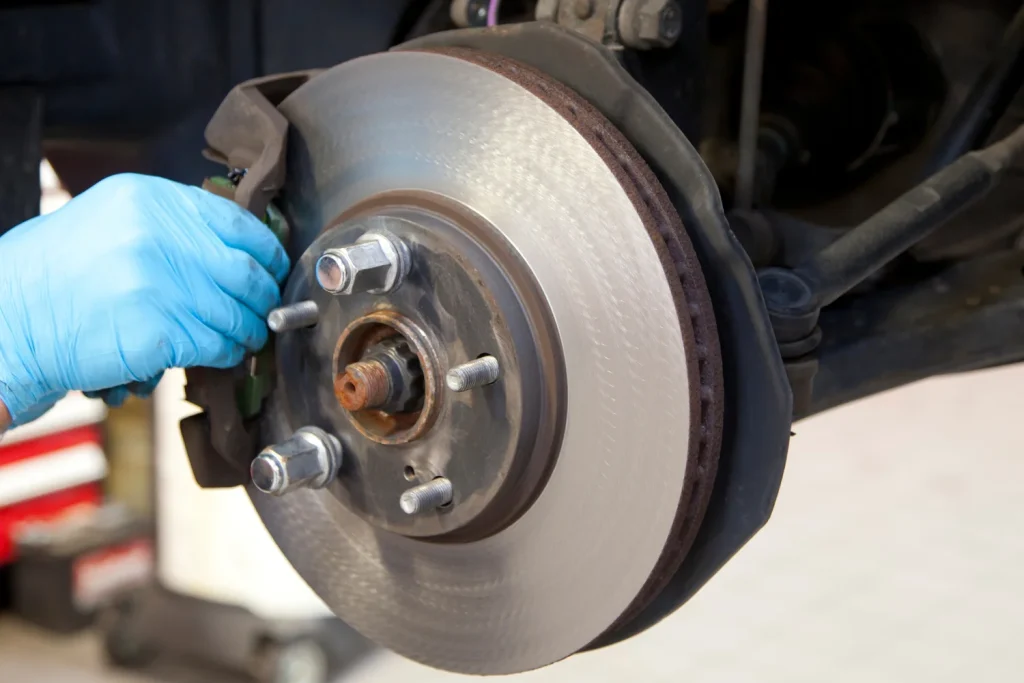
Types of brake pad noise and what they mean
Identifying the type of noise your brakes make can give you a clue about the underlying problem. Here we describe the most common types of sounds that can be heard when braking and what each one can mean.
- High-pitched squealing: A high-pitched squeal is one of the most common noises and is usually caused by contact between the brake disc and the pads when they are worn or contaminated. This sound can also appear if the pads are made of materials that are too hard or if they are not designed for the type of brake disc the car has. It is advisable to check pad wear and make sure they are compatible with the vehicle’s braking system.
- Metallic noises: If you hear a metallic noise when braking, this could be a sign that the pads are completely worn and the metal of the pad is rubbing directly against the brake disc. This type of contact can seriously damage the brake discs, which not only produces an unpleasant sound but also compromises the car’s safety. At this point, it is crucial to replace the pads immediately.
- Vibrations and humming: Vibrations and humming can be due to incorrect installation or a problem with brake pad alignment. These vibrations are usually felt in the brake pedal and can produce a low-frequency noise when braking. If not corrected, this situation could increase wear on other parts of the braking system, such as the discs or the bearings.
Solutions for brake pad noise
Brake noise does not always mean you need to replace the pads, but it does mean the system needs attention. Below, we offer some solutions to reduce or eliminate these annoying noises.
- Regular cleaning and maintenance of the braking system: Regular maintenance of the braking system is essential to prevent dust, dirt or debris building up on the pads and discs. Cleaning these components with specific products will help keep them in good condition and reduce noise. In addition, periodic cleaning will also let you spot possible problems before they get worse.
- Replacing worn or contaminated pads: If the pads are too worn or contaminated with oil, water or other residues, the best thing is to replace them with new ones. Contaminated pads not only make noise but can also affect the car’s braking ability, which compromises safety. Make sure you choose good-quality brake pads to guarantee optimal performance.
- Use of specific brake lubricants: Using special brake lubricants on the moving parts of the braking system can help reduce noise caused by vibrations or excessive friction. However, it is important to apply these products only to the indicated areas, preventing them from coming into contact with the friction material of the pads or the discs.
- Checking and properly adjusting the brake components: If the noise persists after checking the pads, it is advisable to check the correct installation and adjustment of all components of the braking system, including the discs, the callipers and the bolts. Incorrect adjustment can be the cause of many braking noises, and making sure everything is in place is key to proper operation.
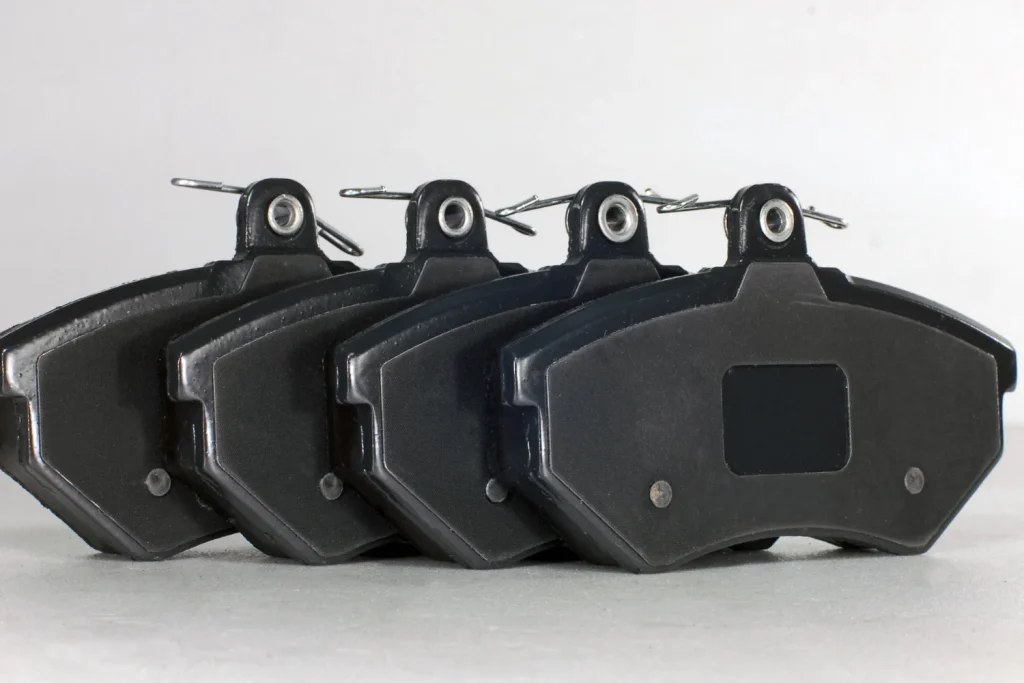
How to prevent noise from new brake pads
When fitting new brake pads, it is essential to follow a few recommendations to prevent them from making noise from the start. Here are some suggestions.
- Proper bedding-in of new pads: When you fit new brake pads, it is essential to bed them in correctly. This means avoiding harsh braking during the first few kilometres, allowing the pads to seat properly on the discs and preventing premature noise.
- Choosing high-quality pads compatible with the vehicle: Opting for high-quality brake pads is an investment worth making. Pads made with premium materials that are compatible with your vehicle’s braking system will not only last longer, but will also significantly reduce the risk of noise when braking.
- Periodic inspection of the braking system by a professional: Finally, taking your car to a professional for a periodic brake system inspection is one of the best ways to prevent noise and other braking-related problems. A specialist technician will be able to identify any wear or misadjustment before it becomes a bigger problem.
Conclusions
Brake pad noise can be a symptom of various problems, from normal wear to incorrect installation or contamination. Identifying the type of noise and its cause is essential to finding the right solution and avoiding more serious damage to the braking system. Do not underestimate the importance of good maintenance and of choosing quality materials for your brakes.
If you experience more serious problems, such as noises in the ABS system, at Nito Motor we can help you with the repair and reconditioning of ABS modules, ensuring your car brakes safely and quietly.


