

How do you disable the ABS on a car or motorcycle?
In short
Disabling the ABS on a car or motorcycle is possible, but it is not something to take lightly: it is a safety system designed to stop the wheels locking under hard braking. In this article you will see in which situations it makes sense, what precautions to take and what changes when driving without it.
The ABS (Anti-lock Braking System) is a key innovation in the automotive world that contributes to drivers’ safety by preventing the wheels from locking under hard braking. Even so, there are times when some drivers prefer to disable the ABS on their car or motorcycle for specific reasons. This article will guide you through the steps to do it safely, explain why some drivers choose to disable it and look at the possible consequences of this decision.
If you have problems with your vehicle’s ABS system, at Nito Motor we are experts in ABS module repair for cars and motorcycles, offering you safe, professional solutions.
How to disable the ABS system on your car
Before you start, it is important to understand that disabling the ABS system is not something to take lightly. ABS is a safety system designed to prevent accidents under extreme braking. That said, there are times when disabling this system can be useful.
Detailed steps for disabling the ABS manually
To disable the ABS on a car, it is essential to follow these steps carefully:
- Disconnect the car battery: The first thing is always to disconnect the vehicle’s battery to avoid any electrical problem or short circuit while you work on the system.
- Locate the fuse box: On most vehicles, the ABS has a dedicated fuse. Check the vehicle manual to identify the exact fuse that controls the ABS system. The fuse box is usually located near the engine or under the dashboard
- Remove the ABS fuse: Use tweezers or a fuse puller to remove it. This will disable the ABS system.
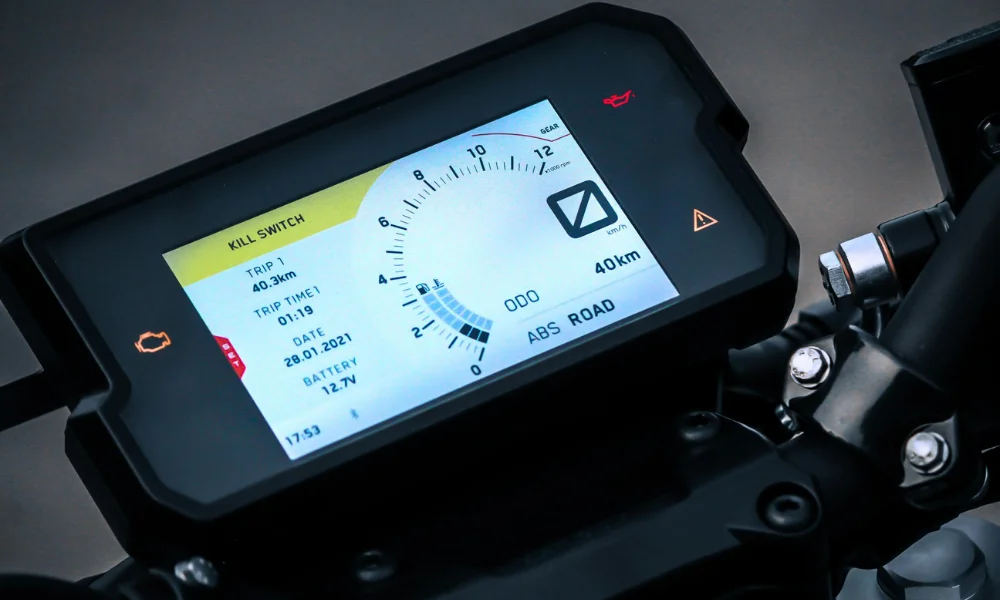
- Check that it is disabled: Start the car and check whether the ABS warning light appears on the dashboard. This indicates that the system is no longer active. The brake light may also come on, which is normal after disabling it.
- Take a test drive: Drive the car in a safe area and at low speed to make sure the ABS is disabled. You will notice a difference in the brake response, especially under hard braking.
Tools needed to disable the system
Disabling the ABS does not require complicated tools, but it is essential to have the following:
- Fuse puller: You need this to remove the ABS fuse.
- Screwdrivers: These can be useful for accessing the fuse box.
- Vehicle manual: It will help you quickly find the location of the ABS fuse.
Precautions to bear in mind when disabling the ABS
Disabling the ABS carries a number of risks, so it is essential to take the following precautions into account:
- Safety first: ABS is a technology created to improve safety under emergency braking. By disabling it, you lose that extra level of control in critical situations.
- Legal conditions: In some countries or regions, disabling the ABS may breach local road safety regulations. Make sure you check local laws before making this decision.
- Avoid dangerous conditions: Driving without ABS in low-grip conditions, such as on wet or snowy roads, can increase the risk of accidents.
Reasons for disabling the ABS on a car
Although it is not common for drivers to decide to disable the ABS, there are certain situations where doing so can make sense.
Some situations where drivers prefer to disable the ABS include:
- Off-road driving: On rough terrain, such as mud, sand or gravel tracks, ABS can lengthen the braking distance. In these cases, some drivers choose to disable it to have more control over braking.
- Racing or motorsport events: In competitions, disabling the ABS can give drivers more control over how the brakes behave, optimising braking at more extreme levels.
- Faults in the ABS system: If the ABS fails and you do not have the time or resources to repair it straight away, disabling it can be a temporary solution while you arrange a repair. At Nito Motor, we offer specialist solutions for ABS module repair.
Pros and cons of disabling the ABS system
Pros:
- Greater control over braking on difficult terrain.
- Possibility of improving performance in competitions or specific trials.
- Temporary solution if the ABS system fails.
Cons:
- Increased risk of accidents under emergency braking.
- Reduced ability to control the vehicle, especially on wet or slippery surfaces.
- Possible legal offences if local regulations require active safety systems.
Experiences of disabling the ABS vary. Some drivers experienced in off-road conditions say it gives them more flexibility and control over their vehicle. However, most drivers find ABS a useful tool in most circumstances and prefer to keep it switched on for safety reasons.
Consequences of driving without the ABS system
The decision to disable the ABS should be made in full knowledge of the possible consequences. Driving without this system can directly affect the safety and handling of the vehicle.
Impact on vehicle safety and control
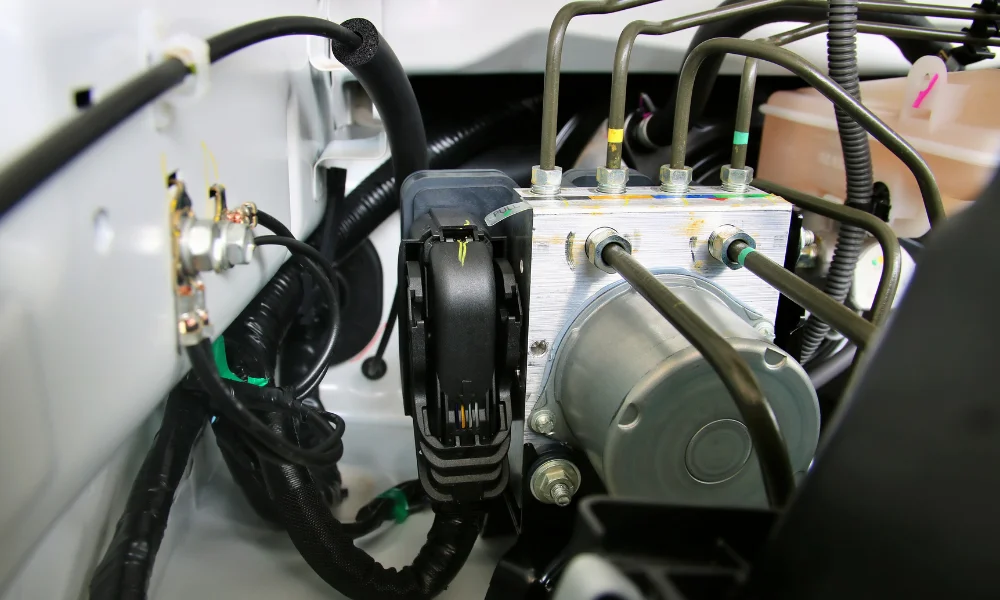
The ABS system is designed to prevent the wheels from locking, which makes the vehicle easier to control under hard braking. Without ABS, the wheels can lock, causing skids or loss of control, especially on slippery surfaces. Driving without ABS demands greater skill from the driver to handle difficult braking.
Comparison between vehicles with and without ABS in emergencies
In emergencies, vehicles equipped with ABS have a clear advantage. This system helps reduce the braking distance and allows the driver to keep steering control while braking. By comparison, vehicles without ABS are more prone to skidding, which can increase the risk of accidents on wet, icy or gravel roads.
Recommendations for drivers who decide to disable the ABS
If you decide to disable the ABS on your car or motorcycle, follow these recommendations to minimise the risks:
- Avoid adverse weather: Without ABS, it is best to avoid driving on wet, snowy or icy roads.
- Keep a safe distance: With the ABS disabled, reaction time and braking distances increase, so it is important to drive more carefully and keep a greater distance from other vehicles.
- Consider switching it back on for the road: If you disable the ABS for specific situations, such as off-roading, make sure you re-enable it when you return to paved roads.
Conclusions
Disabling the ABS system can be a valid option in specific situations, such as off-road driving or motorsport competitions, but it also carries significant risks. The ABS system is designed to protect both the driver and passengers in emergencies, so it should only be disabled when absolutely necessary and with the appropriate precautions.
If your ABS system develops faults or you need to repair it, at Nito Motor we are experts in ABS module repair for cars and motorcycles, making sure your vehicle is in perfect condition in terms of safety and functionality. Always bear in mind that safety comes first, and the ABS system plays a crucial role in it.


